
From the 5th to the 7th of May 2023, our Quantum team went to Zurich (Switzerland) to propose a challenge at the ETH Zurich Quantum Hackathon. In this post we do a recap of the event with a focus on the challenge proposed by Moody’s Analytics.
The ETH Zurich Quantum Hackathon was organized by the student association Quantum Engineering Commission from ETHZ. The event was sponsored by IQM, Moody’s Analytics, Google AI Quantum, Qilimanjaro Quantum Tech and the Quantum Center at ETH Zurich.
There were 3 companies proposing different challenges:
The event gathered an international and multidisciplinary team of 120 students coming from more than 20 different universities. Below you may find some of the statistics of the participants:
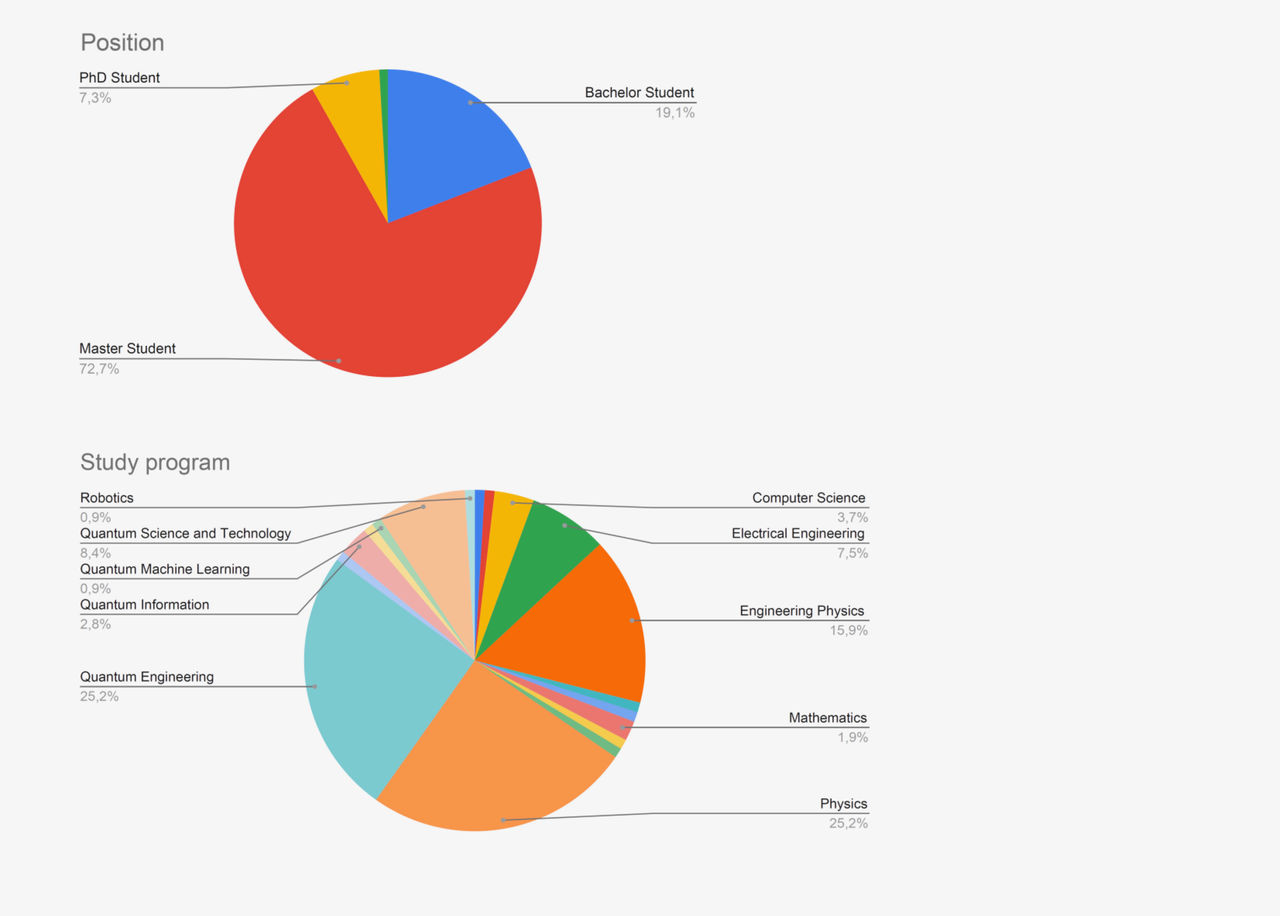
Image 1: Participants background
The purpose of the event was for students to get hands-on and learn about hardware and software challenges of quantum science, meet new like-minded people, and network with industry representatives, and they had the incentive of the possibility to win prices.
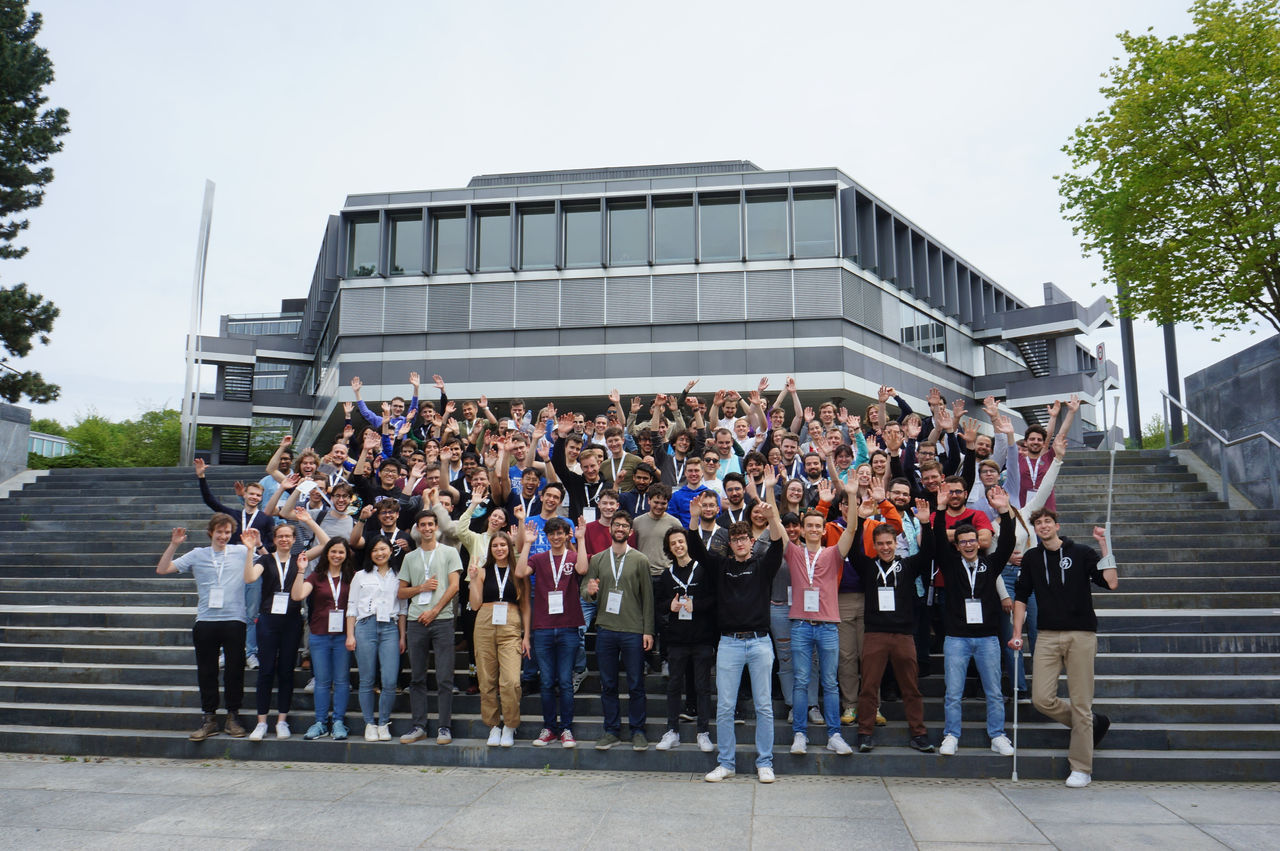
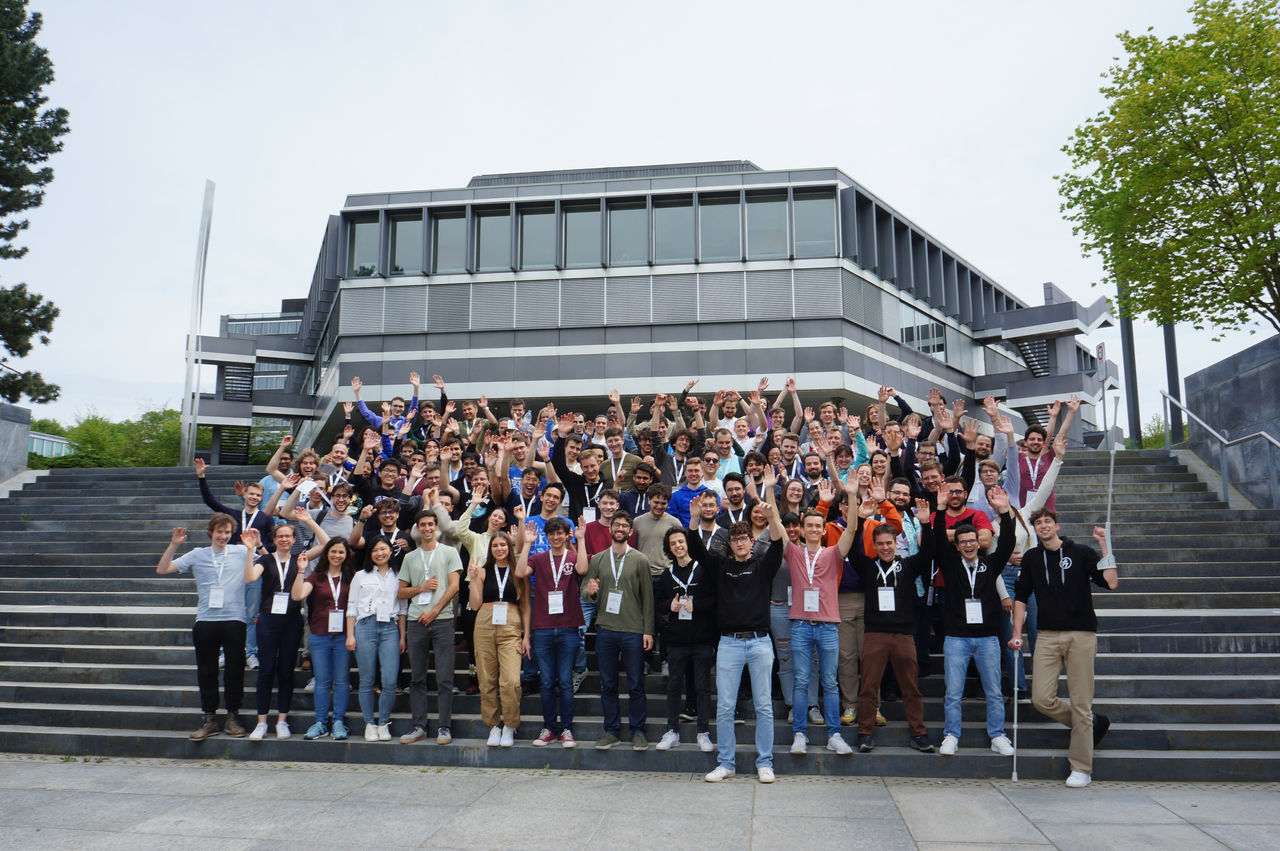
Image 2: Group picture at ETH Zurich Hönggerberg campus
Participants had the possibility to join early on Friday for lunch, lab tours at the ETH Hönggerberg Campus and an introductory quantum computing lecture by Dr. Philipp Kammerlander, Executive Director of the Quantum Center at ETH Zurich.
We started on Friday evening with an inspiring welcome speech by Prof. Dr. Günther Dissertori, rector of ETH Zurich, followed by the companies and challenge presentations. After that, pizzas arrived, and students formed teams and chose the challenge they wanted to work on. Participants were evenly distributed across the 3 challenges. 8 teams participated in our Moody's Analytics challenge, a total of ~32 participants.
On Saturday, we kicked off the day with a workshop explaining the challenge in detail and some useful tools such as Qiskit, Covalent or FireOpal, to the teams who chose to work in our challenge. Participants hacked from Saturday morning until Sunday lunch time.
The Moody's Analytics challenge consisted of 2 different parts:
Here we introduced the current state of the art on Quantum proposal to enhance Monte Carlo methods and gave background on the Quantum Amplitude Estimation algorithm (QAE) on which QMCI methods rely. Students were required to provide 6 outputs which at a high level included:
There were also some additional advanced questions for groups to think of and each section included bibliography and hints. This challenge was designed so that students would learn about a real use case in finance and for them to understand all the steps that you need to work on when thinking about applying quantum computing in a real-world scenario.
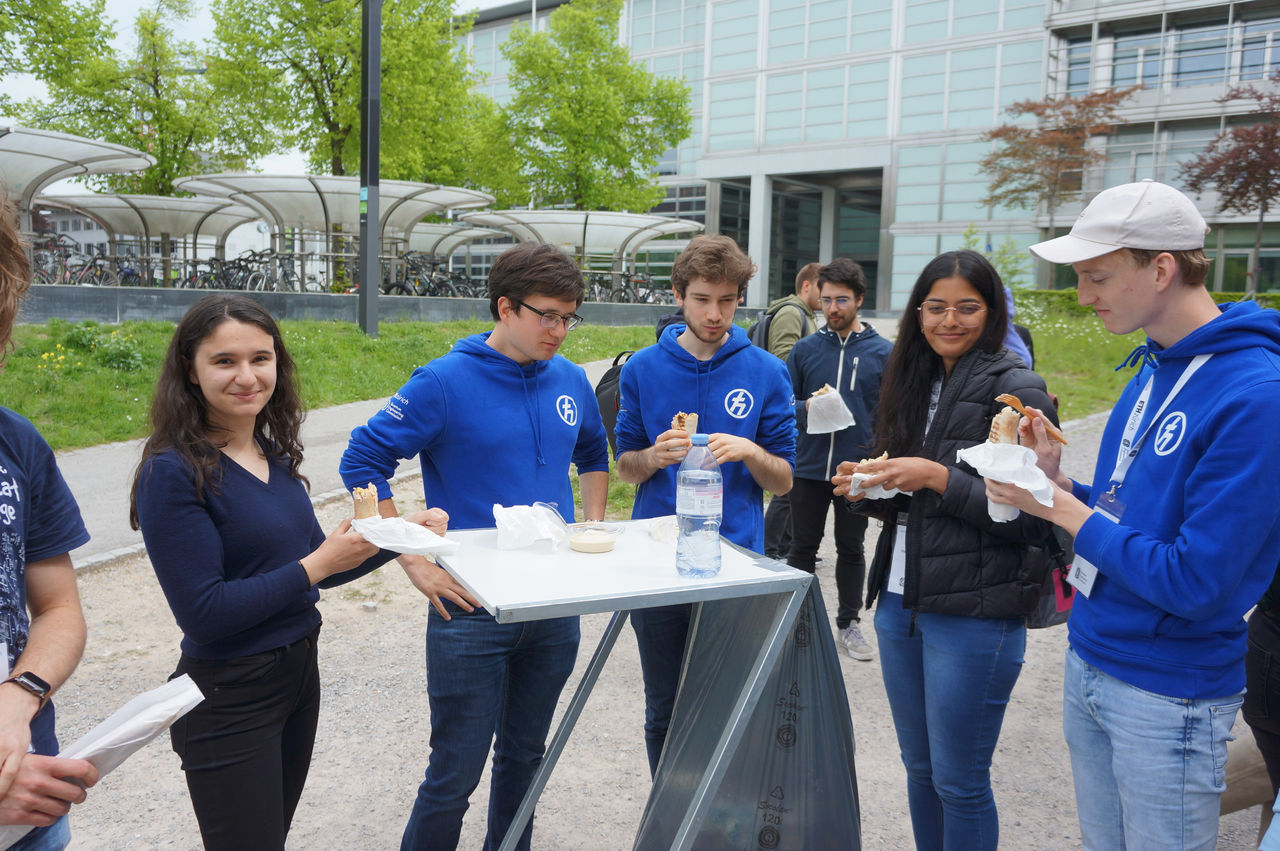
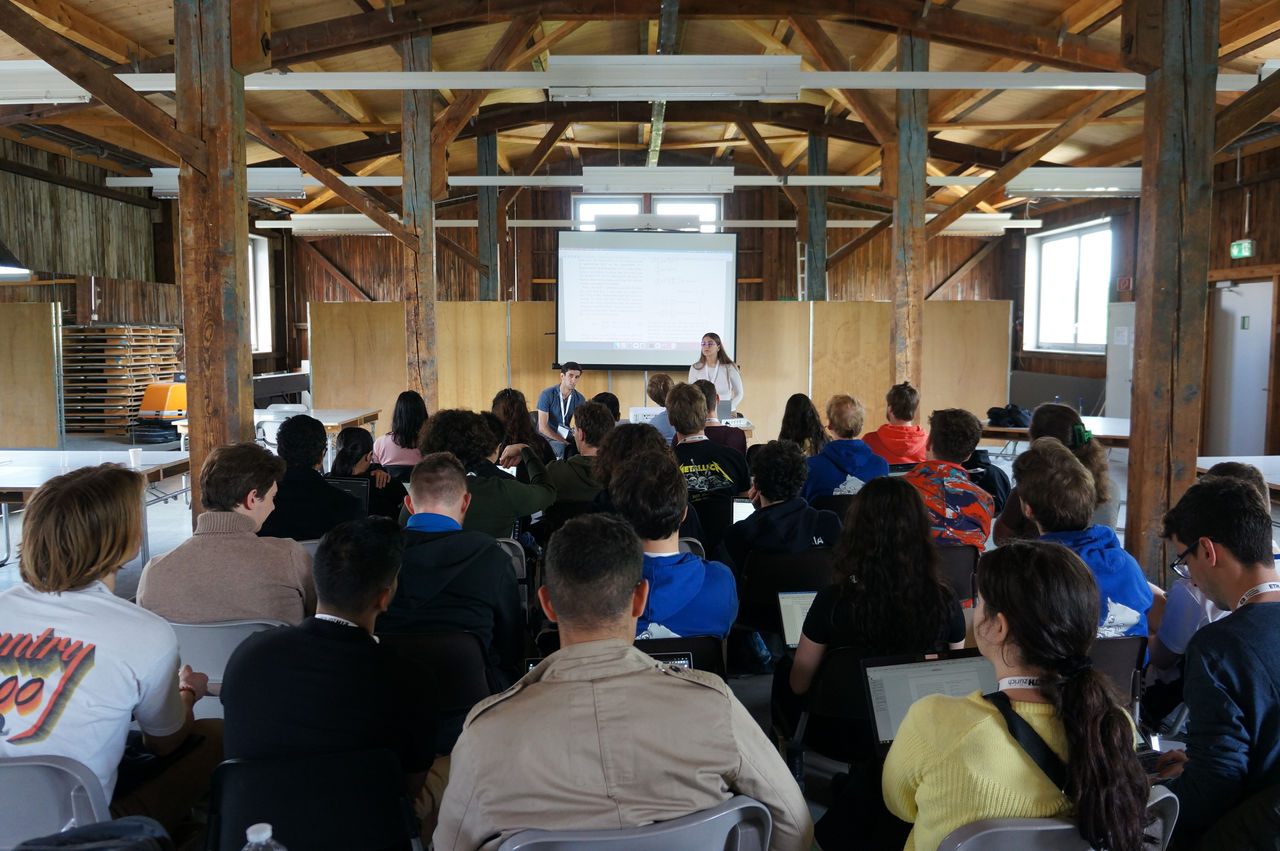
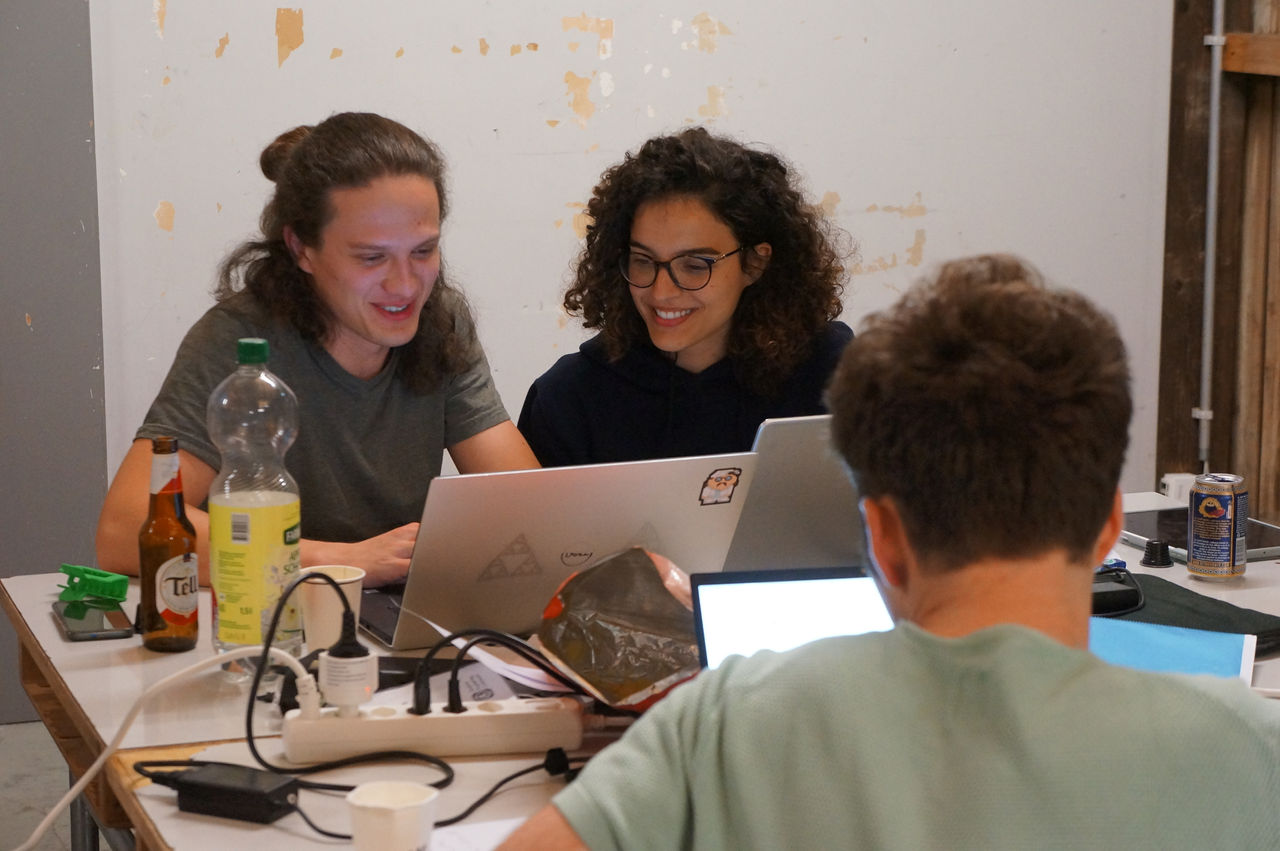
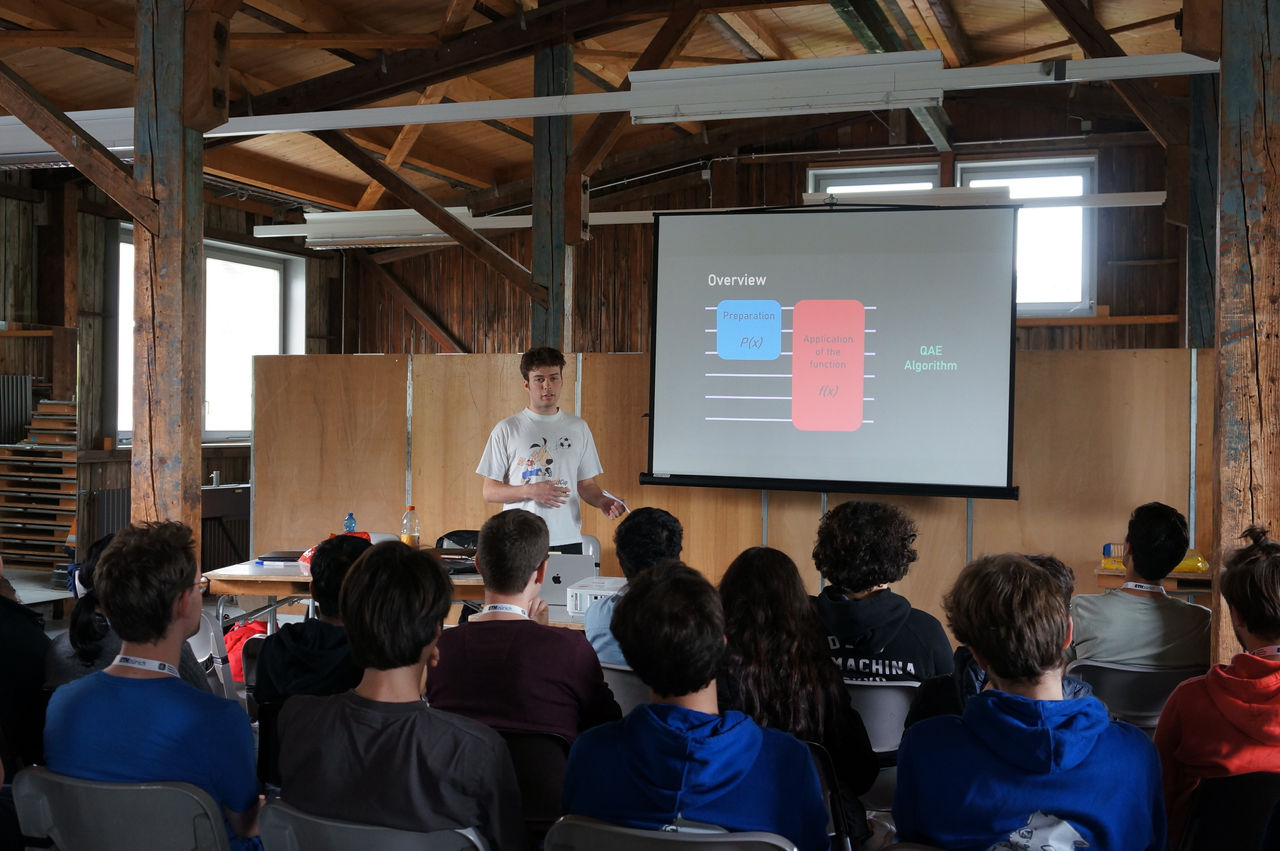
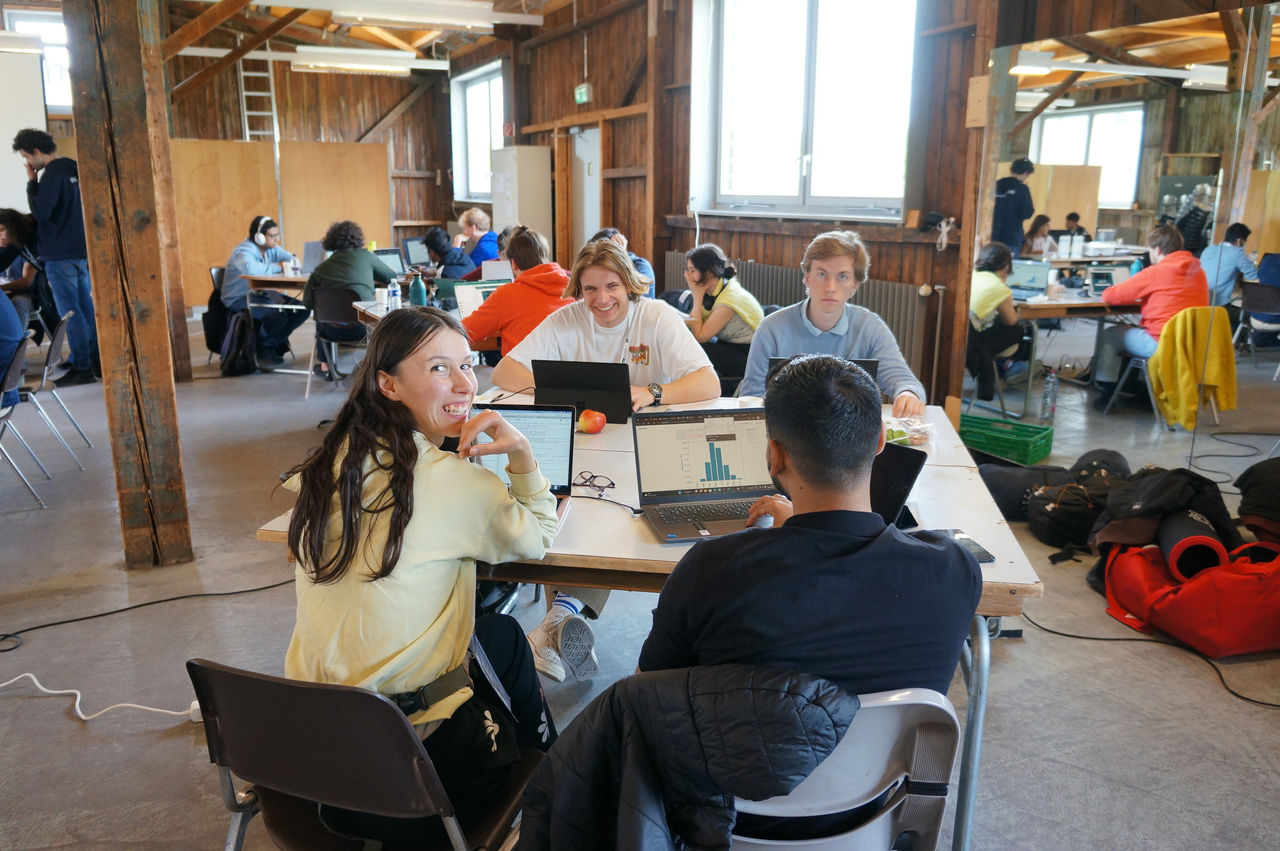
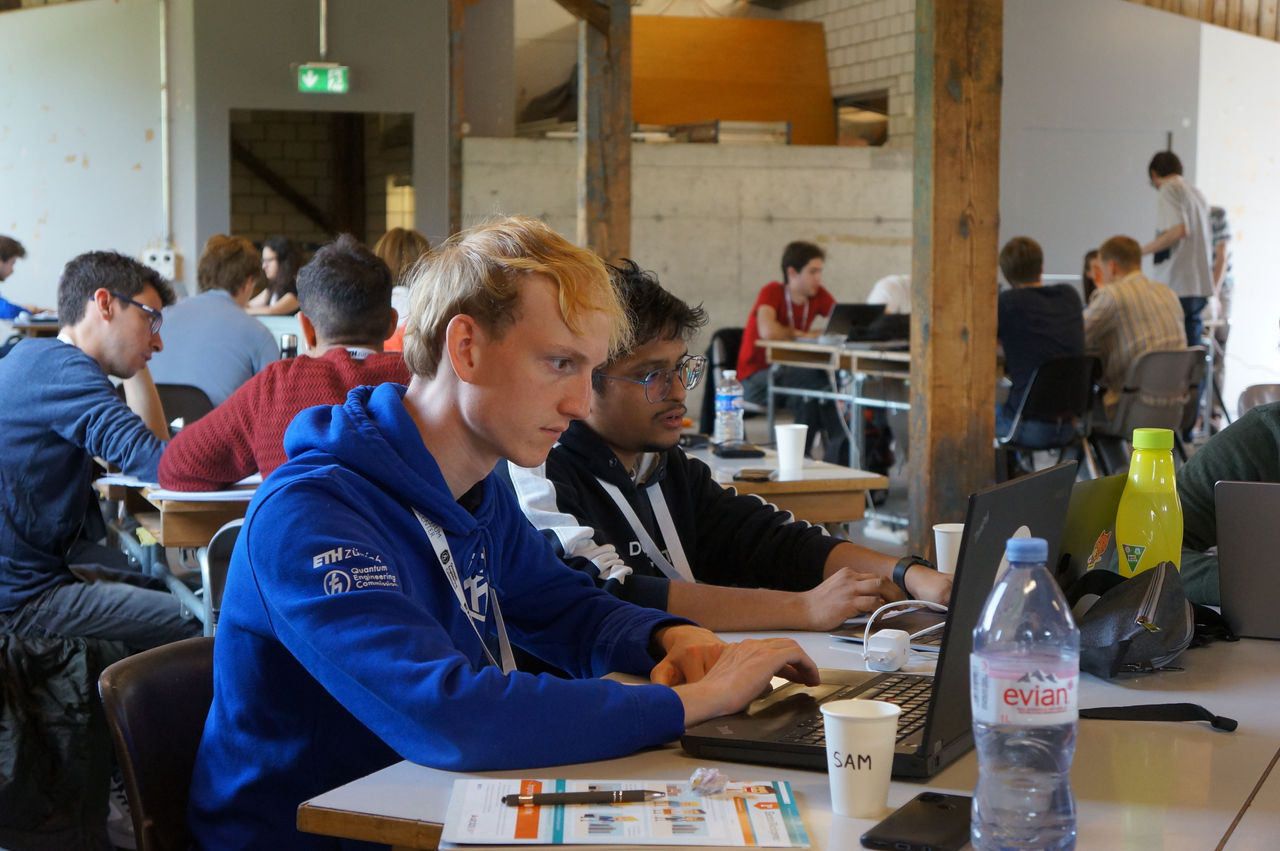
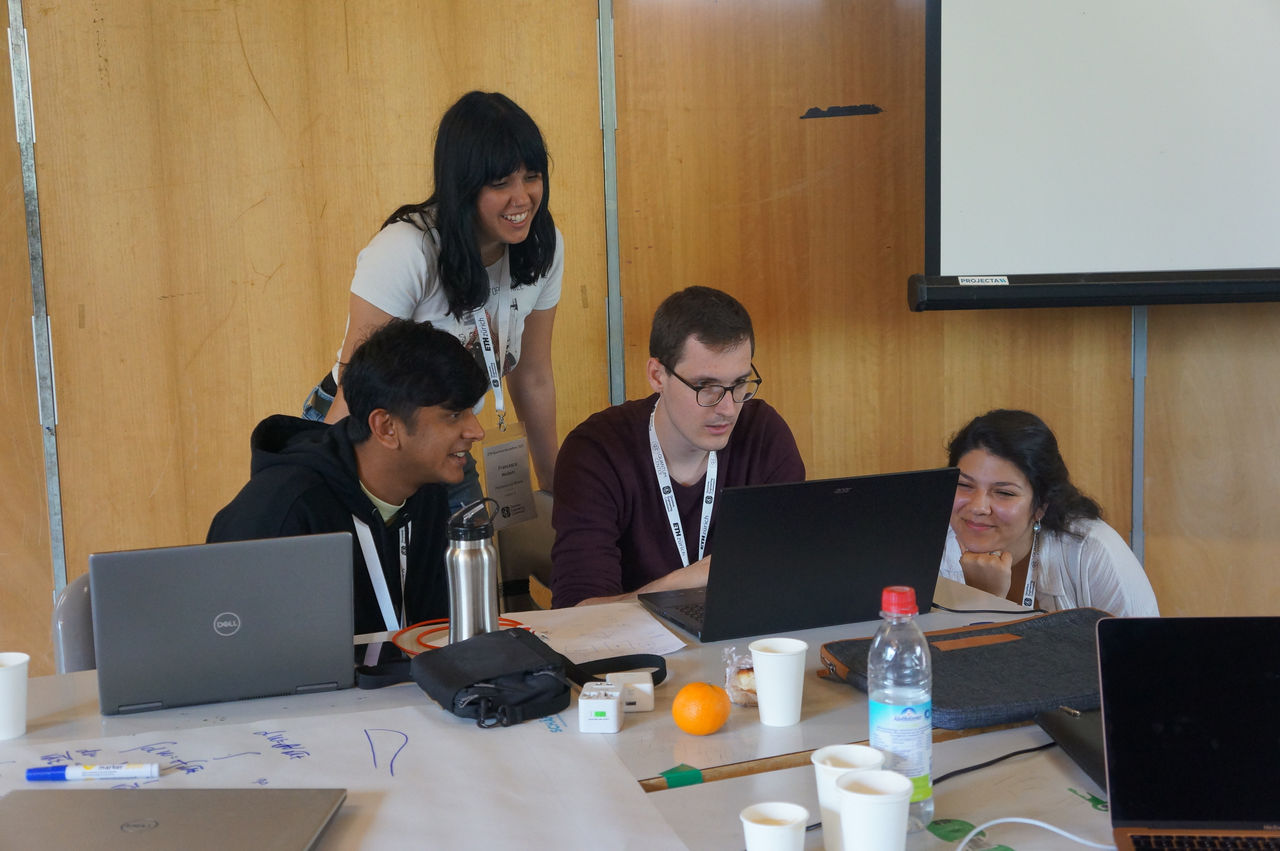
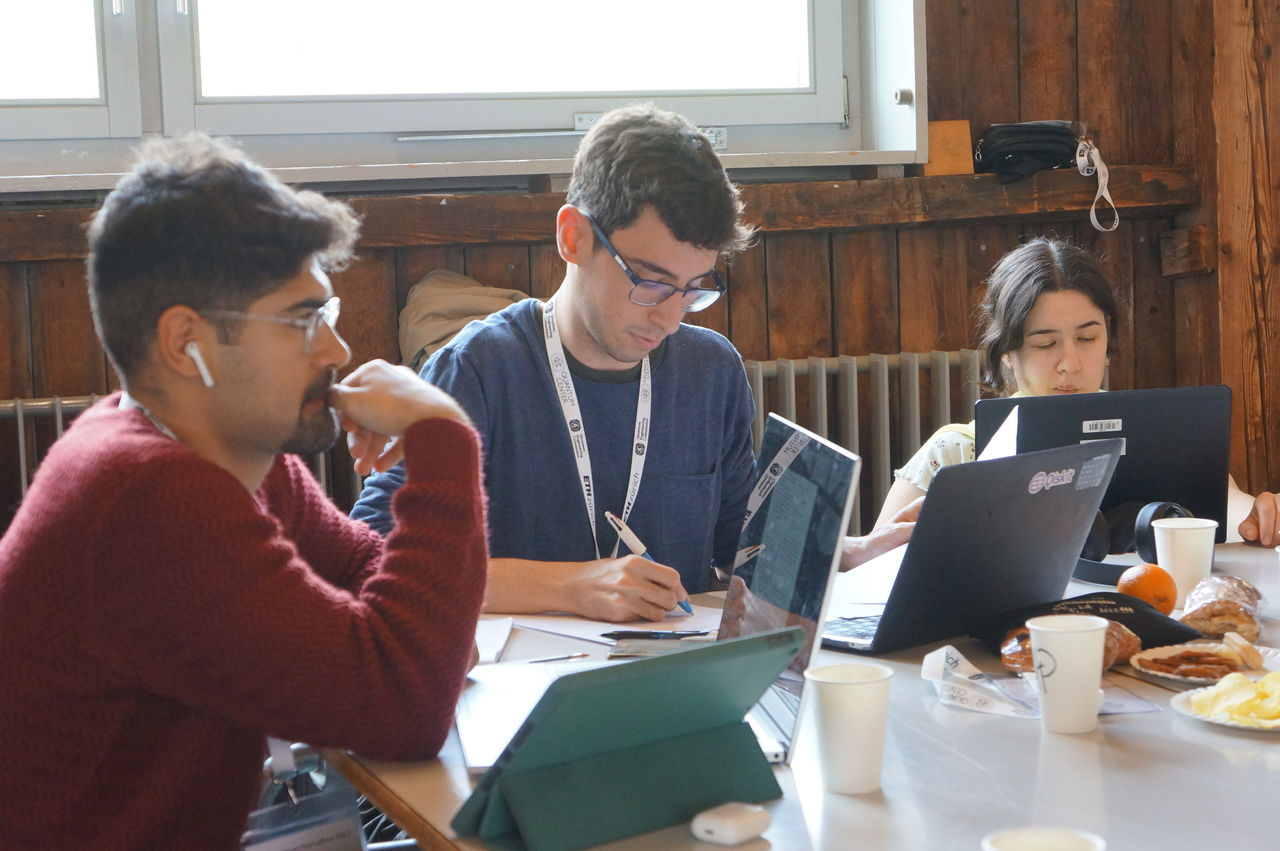
Image 3: Students working on Moody’s Analytics challenge
The groups submitted their solutions on Sunday morning and their work was quite impressive. It was a complex challenge, and they were able to understand the problem and most groups solved the main parts of it. 2 groups specially distinguished themselves and that is why one received an Honorable mention during the awards ceremony and the other one won our challenge. Not only were they able to solve the problem with QMCI correctly, but they came up with a great quantum strategy and worked on all the steps.
The team that won was even able to implement noise analysis and designed a clever execution technique that parallelized most tasks, speeding up the execution time enormously. They also proposed future directions for further exploration and enhancements and were quite creative in the proposed solution.
The participants did an amazing job and we really enjoyed mentoring, getting to know the students, and looking at their solutions.
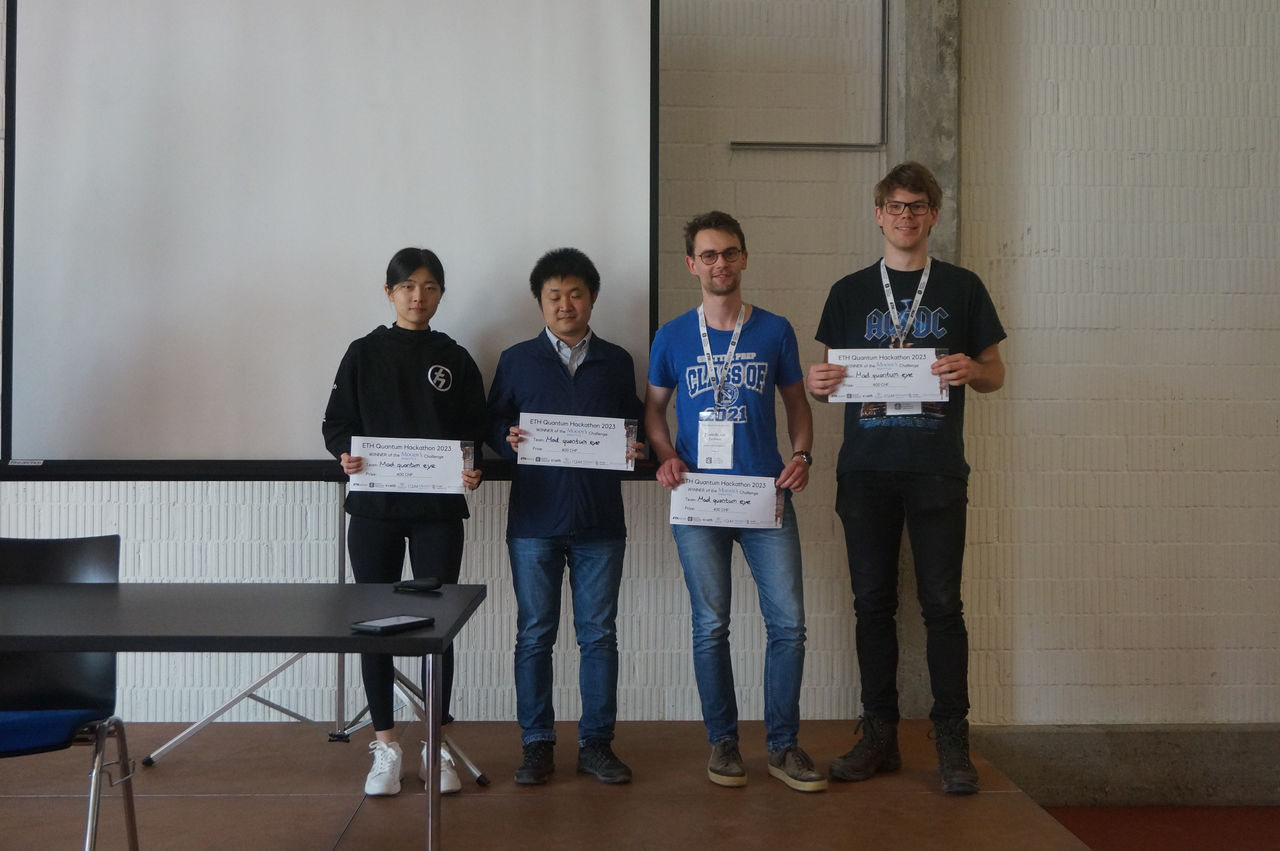
Image 4: Winning team of the Moody’s Analytics challenge; from left to right Anqi Gong, Runsheng Ouyang, Frederik Leon Carstens and Hidde de Bos. Anqi, Runsheng and Hidde are students of the MSc in Quantum Engineering at ETH Zurich and Frederik is a student of the BSc in Physics at Ruprecht Karl University of Heidelberg.
“Having to implement a stochastic differential equation on a quantum computer was a nice example of how to take advantage of the power of quantum for real life problems. Usually when studying or working in the field, the problems that have a potential speed up in the current NISQ era of quantum computing are specifically constructed to be beneficial, but have no real applicable use. Having to map a problem like this to a quantum computer is something we had not done before and challenged us to use our existing knowledge, but also gain new insights into how a problem could be split up. This way classical and quantum computation are taken advantage of in the maximal way yielding the fastest possible speed up. The fact that we were able to paralyze the computation in multiple ways by employing the symmetry of the problem as well as the natural speed of quantum and classical computation was an incredible experience.” – Quote by the winning team (Anqi, Runsheng, Frederik and Hidde).
We would like to thank the Quantum Engineering Commission (QEC) and ETH Zurich for organizing such an inspiring event and to the amazing participants, for their effort and their great ideas. We are looking forward to future collaboration opportunities with the QEC and ETHZ. Moody’s Analytics Quantum Computing team collaborates with academic and supports initiatives such as hackathons to help create the next generation of experts in quantum computing and foster talent. It is crucial that companies working in applications participate in this kind of events to bridge academic research and real-world applications.