
The Qistit hackathon took place in Barcelona (Spain) during April 1 and 2, 2023. It was an in-person immersive competition featuring live engagement, teamwork, and mentorship by expert researchers, developers and advocates. Participants had 24 hours to work in teams to develop solutions to problems in the field of quantum computing and present them to a panel of judges. Challenges were proposed by some of the top experts from Qiskit, IBM Quantum, ICFO, Moody's Analytics and the Barcelona Supercomputing Center, in partnership with Quantum Barcelona and Universitat Autonoma de Barcelona.
Participants had the opportunity to join the in-person Spring School hosted by ICFO and DigiQ as additional training before the hackathon. The program included a 2-day hands-on workshop led by researchers from ICFO and IBM Quantum aimed at introducing students and researchers to several open-source tools, and their use in cutting-edge research, followed by a 1-day symposium.
The local community Quantum Barcelona with which Moody’s Analytics actively collaborates, also provided training on Quantum Algorithms before the event in two sessions:
There were 4 challenges:
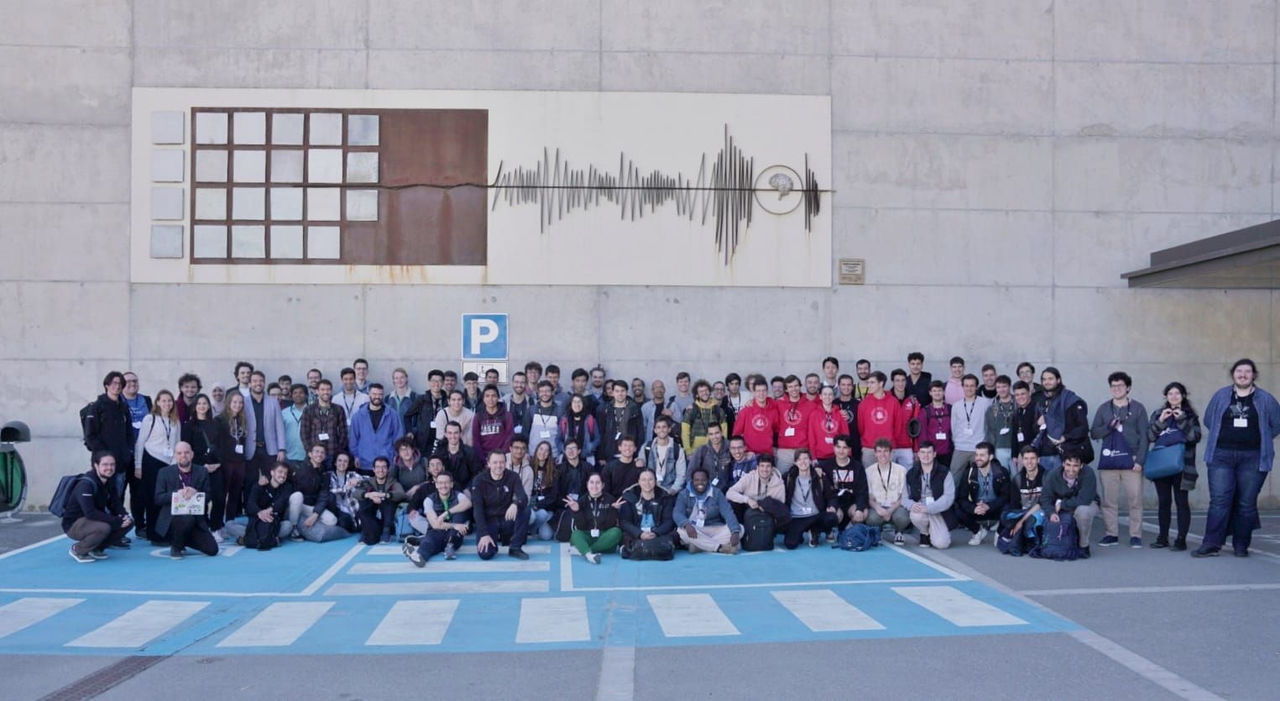
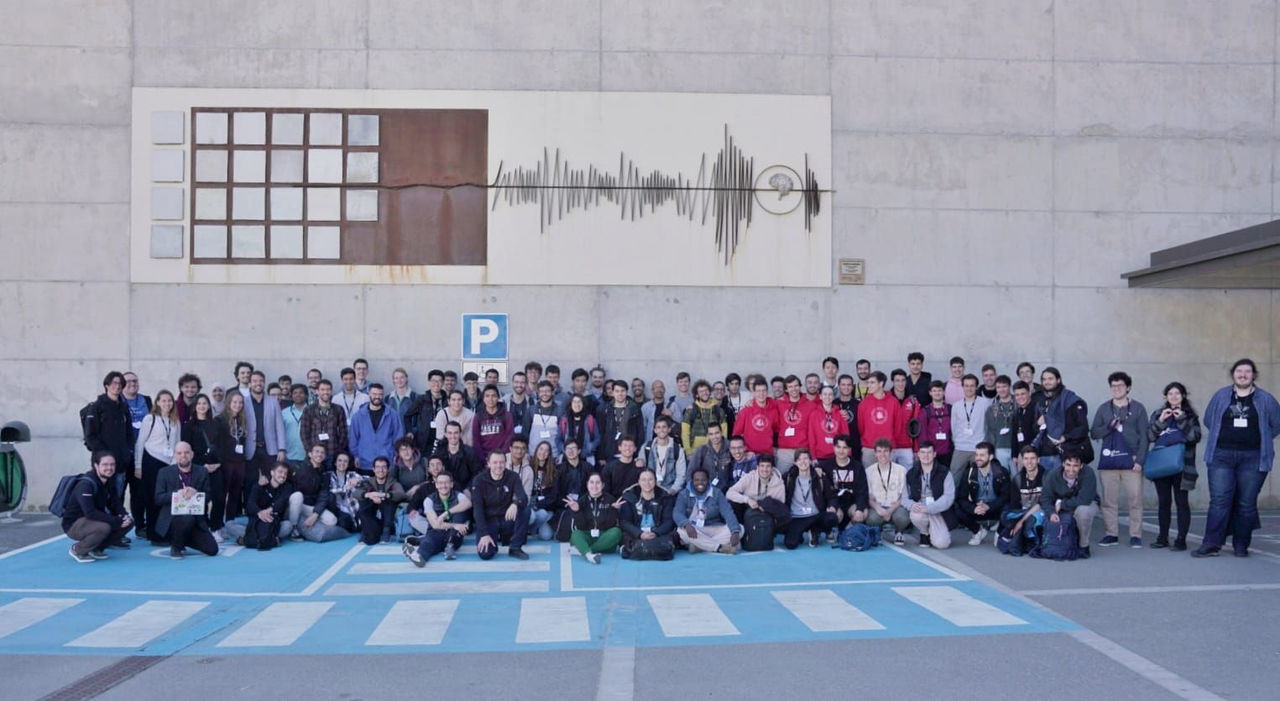
Image 1: Group photo Qiskit Hackathon Barcelona
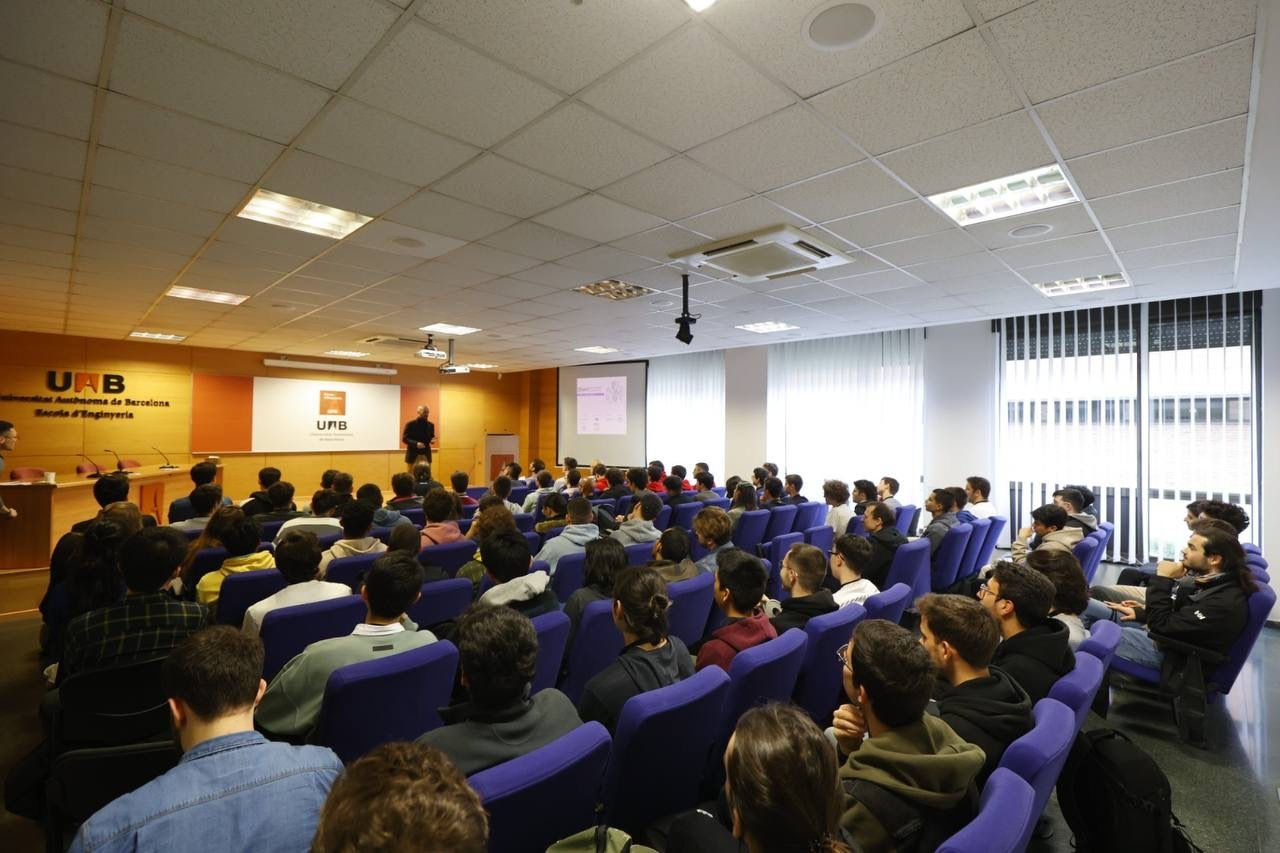
Image 2: Kick off Qiskit Hackathon Barcelona
The Moody's Analytics challenge consisted on simulating the Black-Scholes option pricing model through quantum computation. They used variational-ansatz-based quantum simulation techniques to derive the price of a European call option. This required understanding the connection between mathematical finance and quantum mechanics, while being able to map the equations onto quantum circuits.
The overall quality of submitted solutions was impressive. The participants asked great questions and even hinted at the right directions to extend this "simple" problem, while also signaling some of the weaknesses the quantum approach may face. Conceptually, the challenge explored deep connections between physics and finance, and participants coming from undergraduate and doctorate studies were able to grasp the fundamentals and learn to program and build quantum circuits in Qiskit!
In terms of statistics, 3 teams tackled the Moody's Analytics challenge, a total of ~18 participants. The overall number of participants was around ~75 and they were evenly distributed across the different 4 proposed challenges.
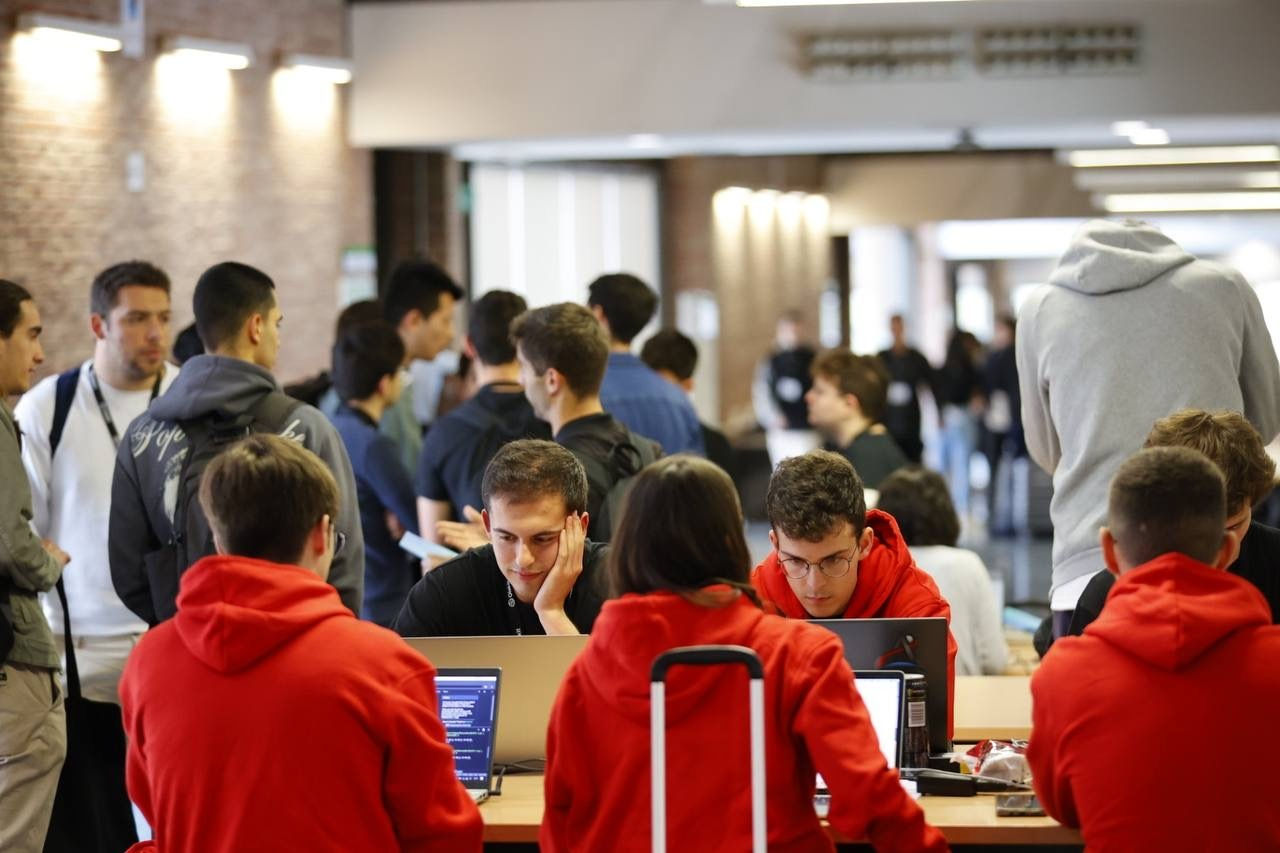
Image 3: Group working on Moody’s Analytics challenge
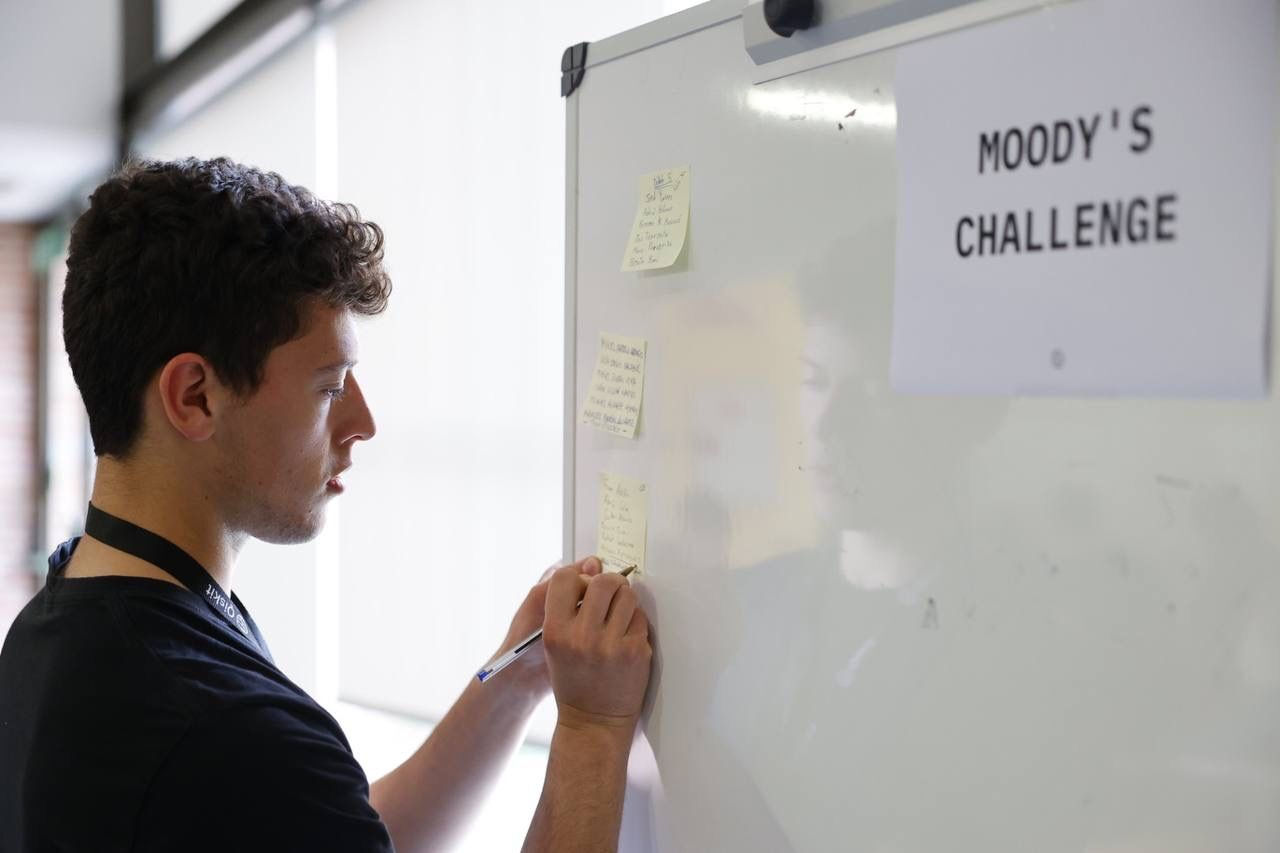
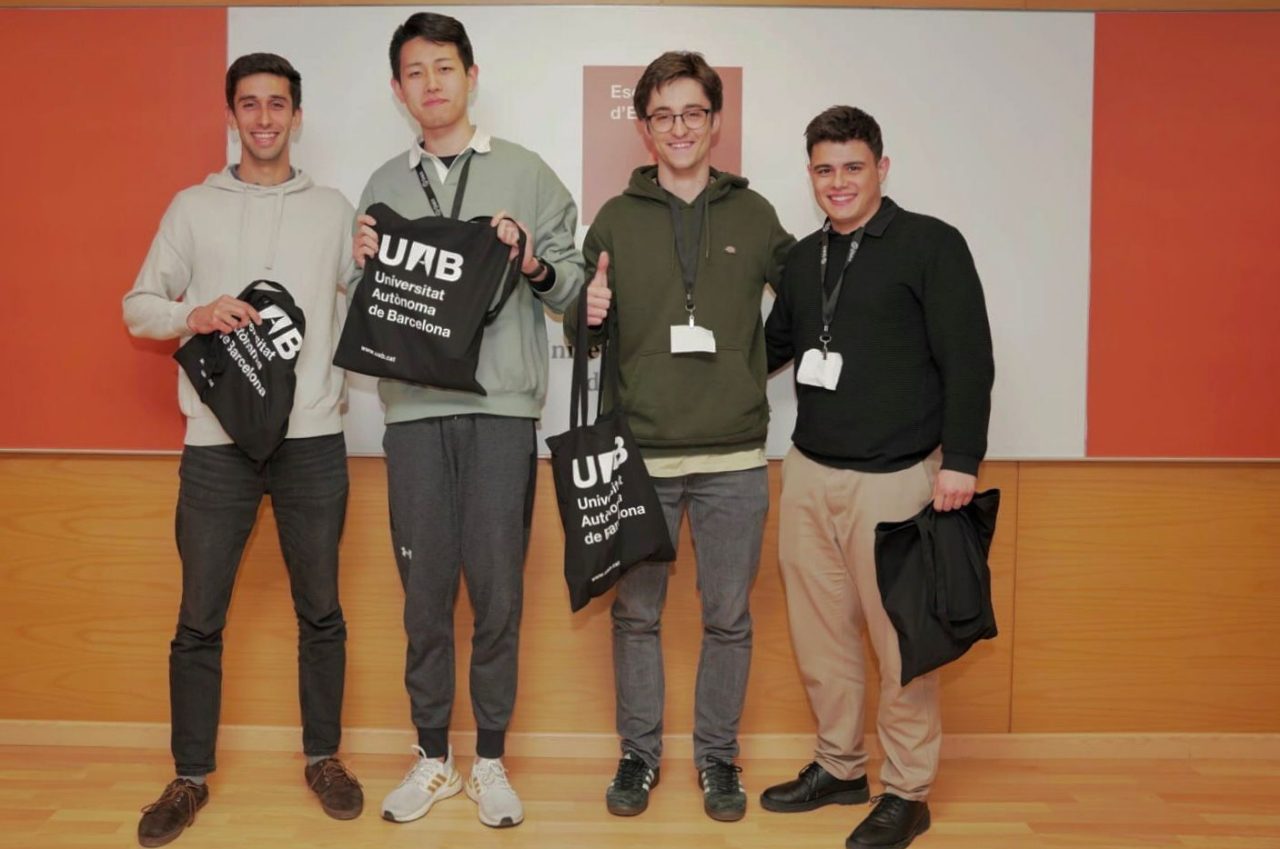
Image 4: Student working on Moody’s Analytics challenge
Image 5: Winning team Moody’s Analytics challenge
Moody’s Analytics Quantum Computing team collaborates with academic institutions and supports students’ initiatives such as hackathons that help create the next generation of experts in quantum computing and foster talent. It is crucial that companies working in applications participate in this kind of events in order to bridge academic research and real world applications.