
We are excited to share that Moody's sponsored MIT’s iQuHack 2025, one of the largest quantum hackathons. The event took place in Boston, Massachusetts, from January 29 to February 2. Our quantum computing team members proposed a challenge on topological data analysis for financial bubble early warning.
This year's event was the largest to date, attracting approximately 414 students from diverse backgrounds for the in-person hackathon and 1,205 students online. On the first day, students and sponsors gathered at the MIT Stata Center and attended a series of keynotes. Professor William Oliver, the Director of the Quantum Engineering, reviewed the history of quantum technologies and briefly introduced quantum algorithms, the concept of speedup, and the benefits and challenges of quantum computing. Finally, academia and industry experts met to discuss the current state of quantum computing and future opportunities.

Figure 1 — Experts on the panel from left to right: Dr. Daiwei Zhu (IonQ), Dr. Elica Kyoseva (Nvidia), Dr. Kevin Obenland (Lincoln Labs), Dr. Pedro Lopes (QuEra), Dr. Ken Robbins (D-Wave), Professor Edward Farhi (MIT, Google), and Professor Aziza Suleymanzade (Harvard, UC Berkeley)

Figure 2 — Hackathon kickoff
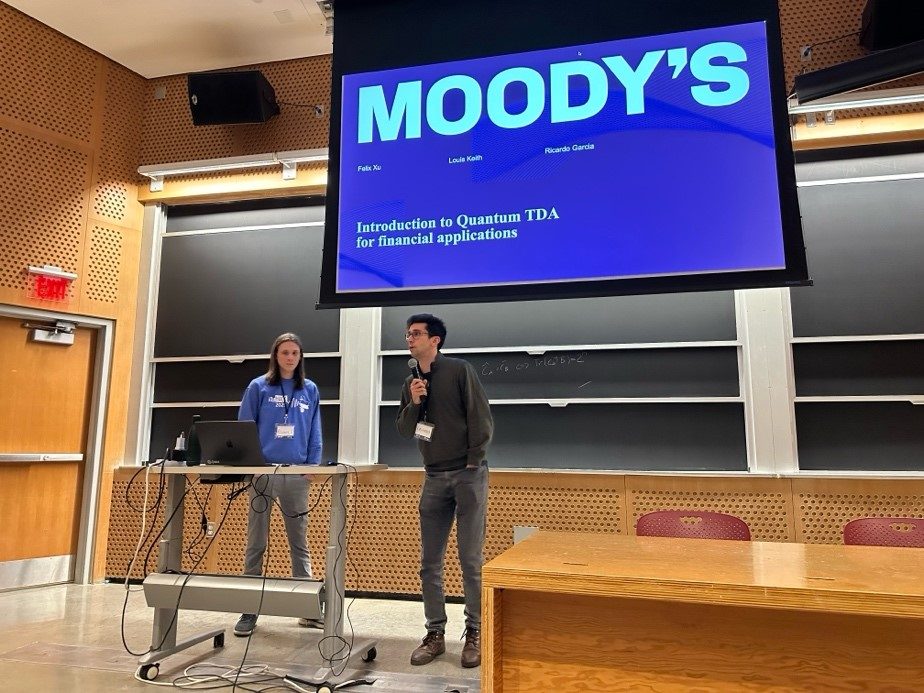
Figure 3 — Our team members in the workshop
Hackathon
Fifteen teams comprising 75 students participated in Moody's challenge. The hackathon began at 10:00 a.m. on Saturday and lasted for 24 hours. Twelve teams submitted and presented their projects, with three teams receiving prizes. We expected that participants would not only complete the challenge but also demonstrate innovation and creativity in their approaches.
We reconnected with our summer intern, Saleh Naghdi, who was one of the prize winners in iQuHack 2024. He shared his internship experience in our workshop and participated in our challenge again, winning second place with a well-crafted solution and ingenious ideas.
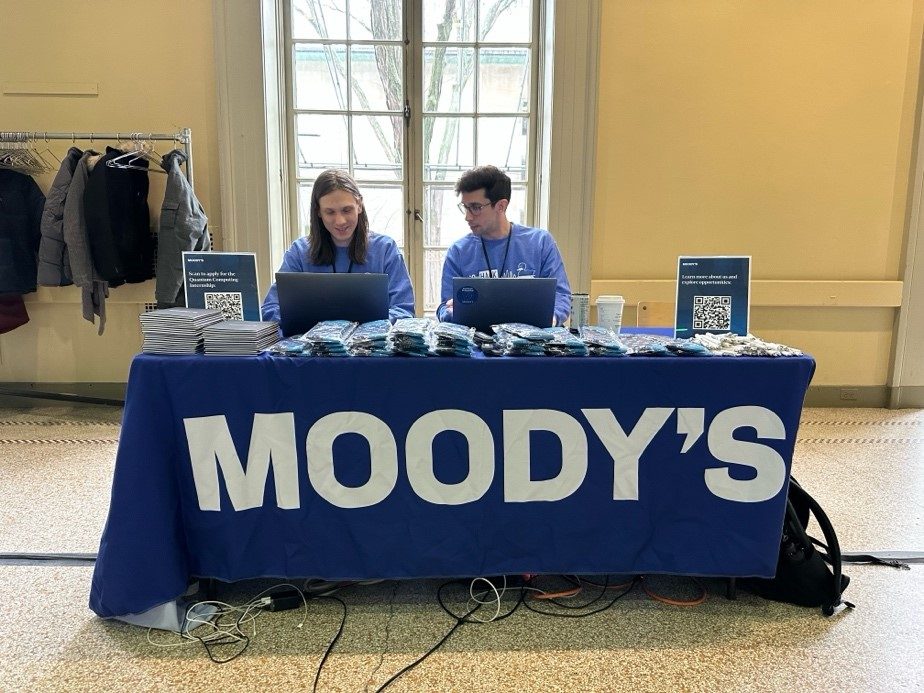
Figure 4 — Moody's booth
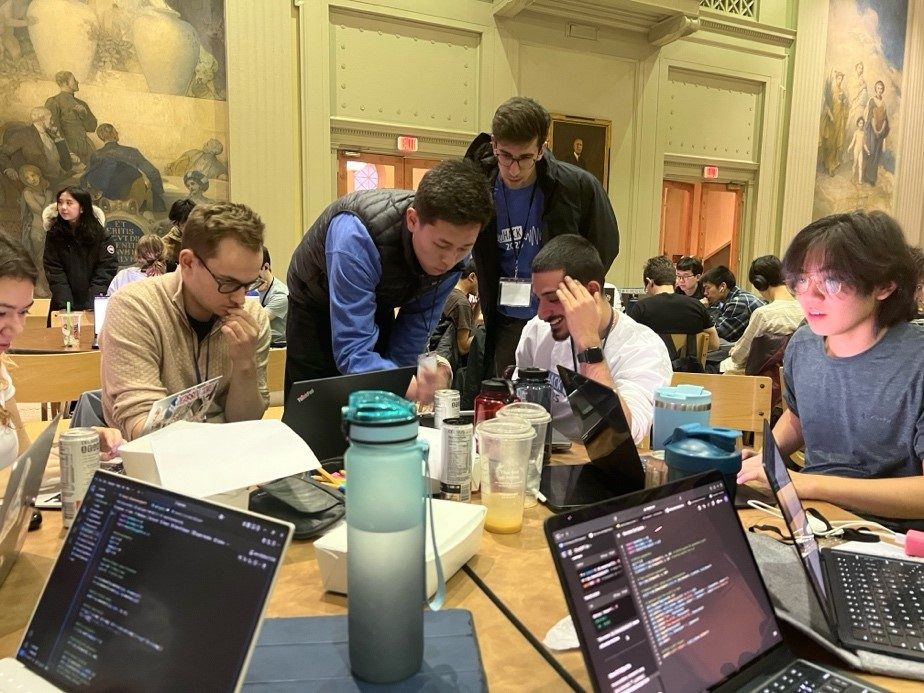
Figure 5 — Our team members engaging with students

Figure 6 — Our team member engaging with students.
Our challenge
Topological data analysis (TDA) is a robust and innovative technique that has demonstrated impressive results in detecting financial crashes providing early warning signals. By analyzing changes in the so-called Betti numbers, TDA can reveal shifts in underlying structures that precede these transitions by analyzing high-dimensional data. However, as the size of the dataset grows, the computational complexity of TDA algorithms scales exponentially. Quantum computers have the potential to significantly accelerate TDA algorithms, and Moody’s challenge presented a workflow for constructing an early indicator of financial bubbles using quantum algorithms. This algorithm can help financial practitioners prepare for market turbulence and potentially offer an exponential speedup compared with its classical counterpart. Moody’s quantum computing team guided participants through the complete quantum algorithm workflow to build an early indicator. The challenge also included some bonus questions, which were open questions that might lead to further research. More details can be found here.
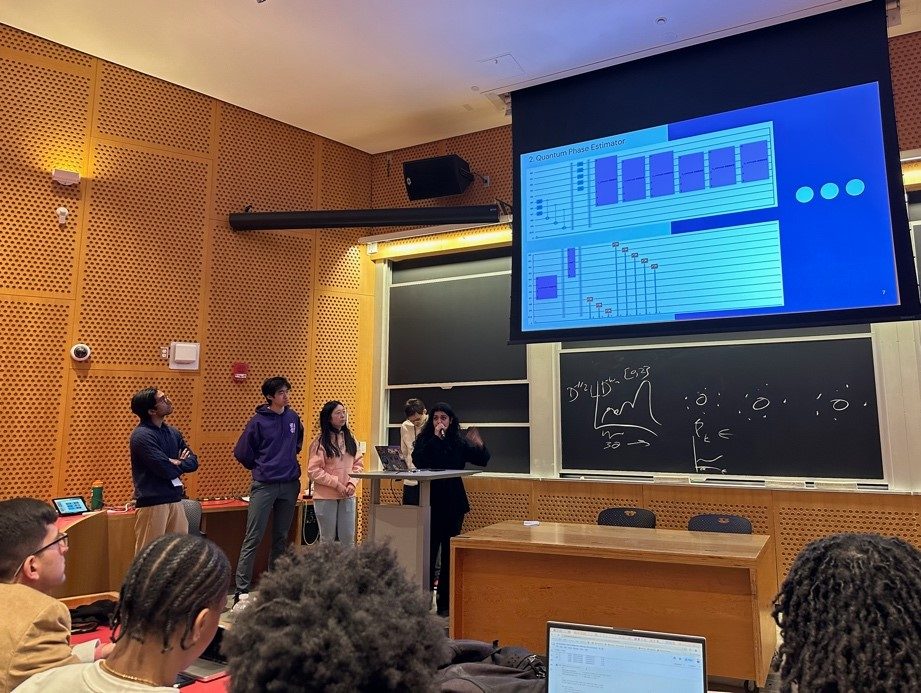
Figure 7 — The winning team, Submitted by God at 11:59 p.m.; from left to right: Nishan Choutaje Jayarama, Alex Gu, Zhi Lin, Seth Cox, and Srishti Nautiyal
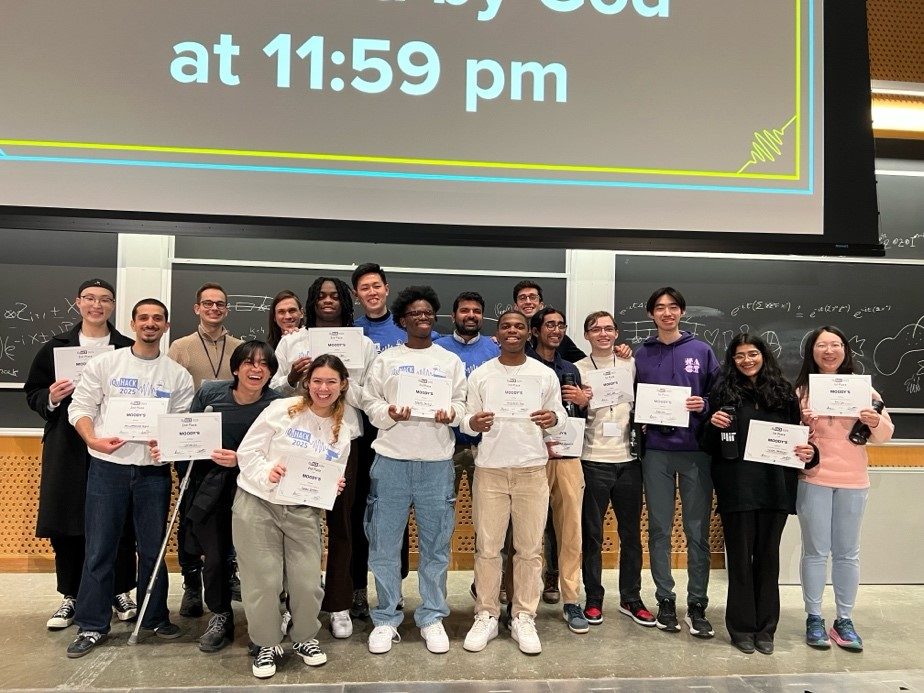
Figure 8 — Three teams won prizes in Moody's challenge; they are Submitted by God at 11:59 p.m. (first), Backslash (second), and Looniverse (third).
The winning team
The team called Submitted by God at 11:59 p.m. — comprising Alex Gu, Nishan Choutaje Jayarama, Seth Cox, Srishti Nautiyal, and Zhi Lin — excelled in both their work and presentation, securing first place. They employed rich visualizations to demonstrate their deep understanding and investigated methods for optimizing the quantum algorithm using various techniques.
Quote by the winning team:
The most outstanding aspect of the challenge for us was to explore and conceptualize financial applications of abstract concepts such as the Quantum Phase Estimator that until now we had only seen in our coursework. This experience enabled us to utilize our prior mathematical and physical training to both tailor and attempt to answer novel questions with wide-reaching impacts. It was also formative to attend the presentations by others from a more technical or financial perspective who had a stronger grasp on the topological or economic aspect of the challenge. Overall, the Moody’s challenge made for a supportive interdisciplinary space without compromising on the mathematical and theoretical rigor that we were seeking from iQuHack 2025.
Thank you to all the challenge participants for their hard work and creativity and to MIT for this fantastic opportunity. Hackathons are a great way to generate innovative solutions to problems that are relevant to our business and to meet exceptional talent.
Keep calm and hack on!
Get in touch
Speak to our team
Let’s discuss your needs and how we can support you.