
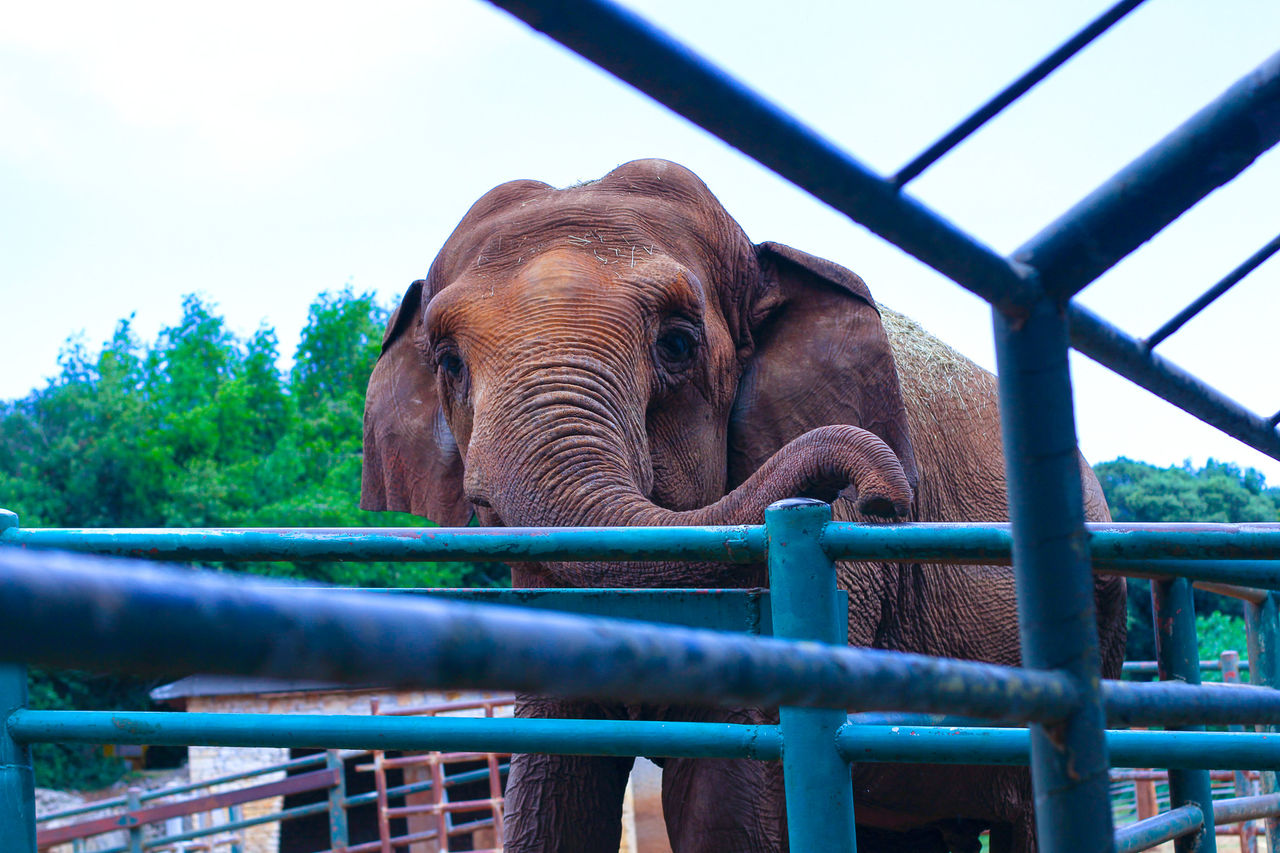
Today, on World Wildlife Conservation Day, Moody’s Analytics is sharing its report – The proliferation of wildlife trafficking. The report found the estimated annual cost of global wildlife trafficking ranges from between $7 billion to $23 billion, making it the third-largest illicit trafficking activity in the world, behind only drug trafficking and counterfeit foods.
The Moody’s report found the United States was the world’s leading destination for illegally trafficked wildlife and wildlife products, with Africa and Asia the main locations where animals are poached and captured. The high demand for illegal wildlife is being driven by significant interest in both exotic pets and commercial products.
Analysis of data from Moody’s Analytics Grid, the world’s largest curated database of risk-relevant activity, found:
Crucially, Moody’s Analytics’ report shows that the US is the “source, destination, and transit location” for illegal trafficking in wildlife and animal products. Similarly, a recent report from The International Fund for Animal Welfare (IFAW) highlighted an increase in the illegal breeding of wildlife in Europe, fueled by social media.
The report outlines that wildlife trafficking is a “catalyst for corruption”, with criminal activity potentially at every level of government, from bribery of officials to organized forgery of permits and licenses. The US Department of State identified six countries with high government involvement in wildlife trafficking: Cambodia, Cameroon, DRC, Laos, Nigeria, and Madagascar.
Corruption hinders reporting in these jurisdictions, compared to Europe and the US, where there are significant legislative efforts to curb the practice, including the EU Action Plan and the US Eliminate, Neutralize, and Disrupt (END) Wildlife Trafficking Act.
Wildlife trafficking is also heavily connected to other criminal activities. A FinCEN Financial Threat Analysis report published in December 2021 revealed that 80% of wildlife trafficking Suspicious Activity Reports (SARs) cited instances of money laundering.
Analysis of Moody’s Analytics Grid data revealed the top criminal activities that overlapped with the Ivory Trade for instance. They were:
Keith Berry, General Manager Know Your Customer Solutions at Moody’s Analytics, said, “Wildlife trafficking is a complex, global trade that drives money laundering and other illicit activity. Gaining insights into criminal enterprises can be difficult, particularly when the animal trafficking supply chain is transnational and involves bad actors carefully covering their tracks. Funds are concealed through various tactics, including shell companies, falsified receipts, and the purchase of luxury vehicles and artwork.
“Moody’s Analytics research found only 26% of organizations rate their supplier risk management as good. This gives wildlife trafficking significant scope to impact businesses, opening them up to reputational damage and potential non-compliance with the growing body of global regulation in this area. Compliance teams looking to mitigate risk can begin accessing specialist data and adverse media to identify crimes that happen in conjunction with wildlife trafficking. Money laundering and wildlife trafficking are murky spaces but can be assessed and managed with a holistic approach to risk, with data at its heart.”
Please download your copy of the Moody’s report – The proliferation of wildlife trafficking.
If you would like to discuss your approach to supply chain due diligence and anti-financial crime management more broadly, please get in touch – we would love to hear from you.